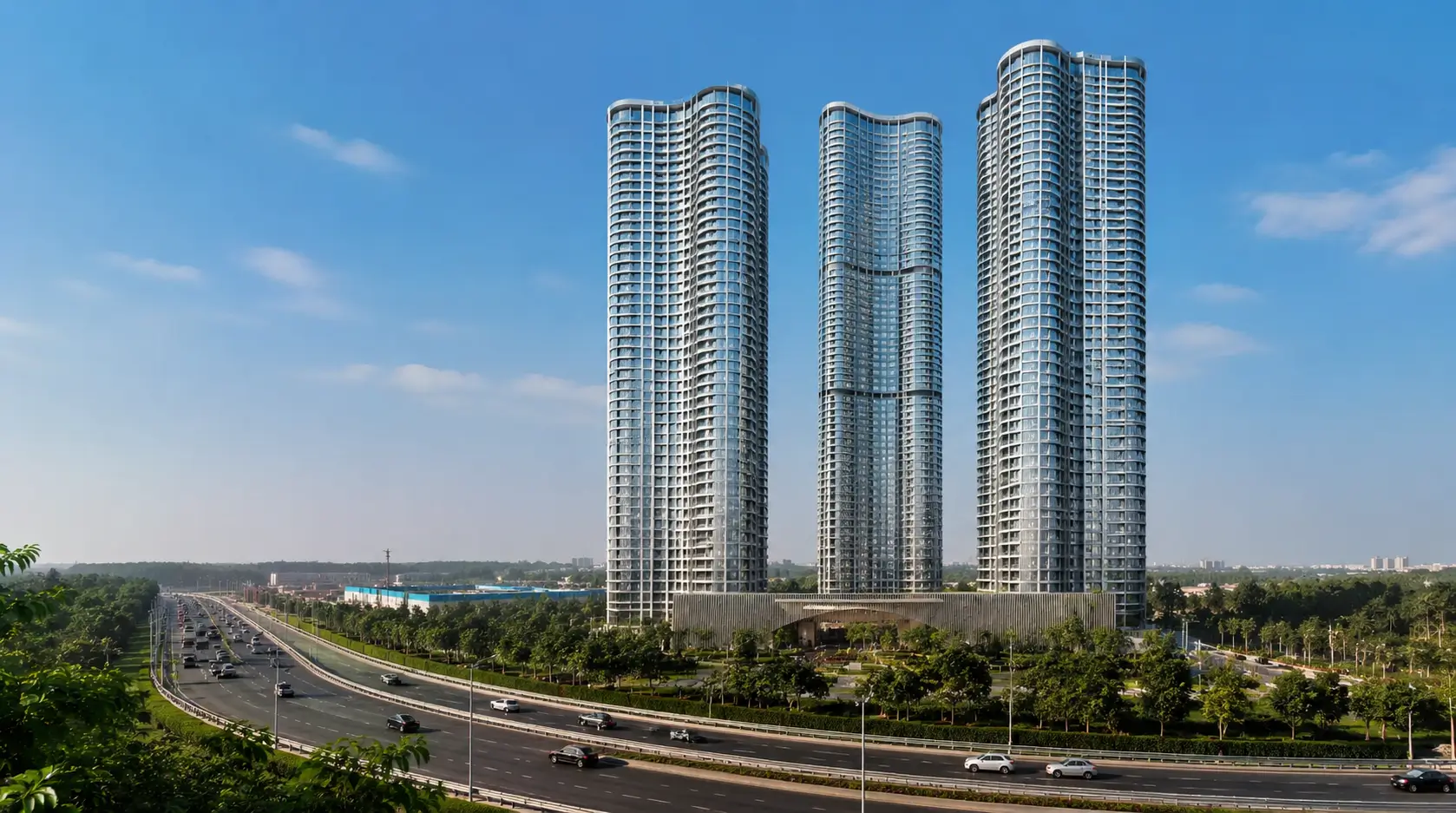
The phenomenal development of luxury housing zones shows a major market movement toward self-sustained community spaces. When analyzing capital appreciation patterns in premium locations, aligning with Tier-1 builders who offer complete statutory compliance and integrated amenities forms the basis of calculated real estate investing. #link# provides an excellent example of how master-planned structural communities outperform standalone residential formats. To gain an accurate understanding of these architectural environments, it is necessary to study physical transit extension maps, aerospace industrial park expansions, and developer delivery records.
Evaluating High-Velocity Transit Infrastructure and Property Traction
The implementation of grand state-sponsored infrastructure assets, transforms agricultural or secondary land parcels into high-value commercial zones. Infrastructure engineering trends conclusively demonstrate that proximity to active tech hubs lowers vacancy rates while boosting rental yield opportunities for long-term real estate owners. When an integrated township is built immediately adjacent to expanding aerospace special economic zones, high-salaried working professionals naturally choose to locate their primary residences within that specific geographic boundary. In tandem with this, the rapid development of specialized commercial complexes, multi-specialty healthcare institutions, and elite international schools guarantees that housing demand remains highly resilient across all luxury configuration categories. Investors tracking these specific geographic variables can systematically eliminate location-based investment risks.
Premium Interior Material Specifications and Low-Density Spatial Philosophy
The structural lifespan and physical durability of modern high-rise buildings is highly optimized when Tier-1 construction organizations adopt global building practices. Utilizing monolithic concrete pouring techniques instead of traditional clay block wall assemblies minimizes future structural degradation while noticeably enhancing internal thermal insulation performance. To justify a premium luxury market positioning, the physical finishes inside each residential unit frequently feature large slabs of fine imported Italian marble flooring, bespoke premium bathroom fittings, and expansive cross-ventilated balconies. In line with modern wellness trends, luxury township designs now focus intensely on preserving massive natural ecosystems. When a grand 70 to 80-acre development restricts its vertical footprint to only a limited number of residential towers, the underlying asset retains a massive undivided share of land value, directly benefiting the individual homeowner. Reviewing these exact spatial configurations allows buyers to verify actual carpet area efficiency numbers.
Decoding Pre-Launch Capital Entry Tactics and Property Valuation Models
From a strictly analytical wealth management and portfolio diversification perspective, residential holdings backed by strong corporate execution credentials outperform alternative here commercial assets. Entering a tier-1 development phase before the public distribution of marketing brochures allows early stage investors to capture a significant pricing buffer that compounds automatically as construction reaches major milestones. Concurrently, projected property rental yields within these rapidly expanding commercial and industrial zones consistently exceeds traditional market percentages, establishing a highly reliable secondary cash flow network. To completely eliminate construction and execution risks, the selection checklist must prioritize statutory verification. Confirming the precise allocation of development phases, boundary registrations, and financial escrow transparency protects the individual home buyer by binding the developer to legally enforceable completion timelines and specifications.
Analyzing the Tangible Value of Integrated Social Infrastructure and Hospitality
High-net-worth property buyers are actively seeking fully self-sustained residential ecosystems that optimize lifestyle efficiency. The seamless integration of state-of-the-art smart-home technology, allows residents to effortlessly manage spatial lighting, interior climate settings, and visitor tracking protocols. Simultaneously, the physical amenity landscape within premium gated enclaves is undergoing a complete structural revolution. Integrating advanced co-working business lounges, private mini-theaters, and multi-cuisine restaurant facilities, these spaces cater perfectly to multi-generational requirements while fostering authentic neighborhood connections. Moreover, the inclusion of essential social infrastructure directly within the gated boundary lines eliminates daily travel friction, converting the development into a true city-within-a-city ecosystem.
Final Synthesis on High-Yield Residential Property Selection Matrices
In summary, capitalizing on high-tier residential developments demands meticulous alignment across multiple critical dimensions: micro-market commercial development timelines, RERA statutory clearances, and structural layout efficiency metrics. Through a disciplined process of examining payment schedules, verifying infrastructure commitments, and conducting physical site visits, ensure their primary home remains an asset of permanent value, enduring luxury, and high liquidity. Driven by ongoing airport corridor development and extensive corporate office space absorption, property holdings situated within well-connected residential hubs are guaranteed to dominate the regional real estate market.